
Our regular section on solo female travel is written by Kristin Addis of Be My Travel Muse. I invited in an expert to provide her recommendations for other women travelers to assist cover the areas that are vital and unique to them because I am unable to effectively cover this crucial topic! She explains how she planned and conducts research for her travels in this month’s post!
When you will be the only traveler making all the decisions, how should you go about planning your next trip? What should you do, where should you go, and how will you get around in your new environment? Where do you even start looking for solutions to these questions?
I have spent the most of the last six years traveling alone as a nomad. I have been the main decision-maker on all of those trips, so I have picked up some tips along the road that will help me save time in the long run, prevent overspending and scams, and make sure I know my way around before I even land.
Here is a methodical approach to assist you with your trip location research. The majority of these suggestions just take a few minutes, but they could save you a significant amount of money, trouble, and confusion.
1. Initial online research
I get a lot of my ideas from Instagram. I mostly follow travel accounts, and when I see a place that looks particularly beautiful, I use Instagram’s bookmark feature and put it in an album. I have one for Japan, one for New Zealand, and so on. When decide to travel to one of those destinations, I look back through my albums and consider if my budget, the time of year, and the activities I want to do there are all in alignment. (I suggest taking a look at Pinterest boards for those destinations as well.)
Chances are you already have a few destinations in mind and you just want to make sure that they will work for you. Evaluate the cost of traveling, think about the season it will be there, and make a decision based on those factors.
(I also take to heart word-of-mouth suggestions. It’s what led me to Mozambique and Patagonia. If someone I know has really loved a place, then I add it to the top of my list.)
2. Is the destination good for solo travelers?
After six years of traveling alone, I have discovered that the following factors virtually always result in a more social experience for lone travelers:
- A well-known activity/draw: Is there a reason why people come to this place? Is it famous for surfing, rock climbing, scuba diving, or something else? When this is the case, you are much more likely to find other solo travelers participating in that experience.
- A festival: If there’s some kind of cultural event or festival at the time you’re visiting, you can bet that a lot of other travelers will be coming through as well, so you are unlikely to be lonely.
- Popularity: While I love off-the-beaten-path travel, I also know that the farther away from tourist centers I head, the more likely it is that I will spend more time alone. If I know I want to have a more social trip, I will head to places that are popular, like Thailand or Iceland. If you’re not sure where to start, this list has the most visited places in 2018.
I then look into whether I am going to a hotel or a honeymoon resort in an effort to lessen the likelihood that I will be the only person there. Nevertheless, even though Maui and Bali are typically thought of as vacations for couples, I had amazing experiences there. I think you will not feel alone if you choose a social activity that draws other lone travelers, like surfing or scuba diving.
Therefore, do not instantly rule out going somewhere beachy just because you are worried about being the only person there. It is likely that some areas of the country or island you are considering will be more social and less “romantic,” unless you are visiting a very small location.
The Maldives is the only location that comes to mind that might genuinely be exclusively for couples, but even then, you can travel to other islands, surf resorts, or live-aboard diving experiences to make your trip less about relaxing on the beach and more about socializing.
3. What is the visa situation?
Before I start making too many plans, the next item I want to know about is visas. Does visiting this country require a visa? Do I have to apply for that in advance? How much does it cost?
Wouldn’t it be annoying to plan a trip to India or China only to realize you can’t get the visa in time? Wouldn’t it be better to get a longer visa ahead of time, like for Thailand or Indonesia, instead of having to do visa runs, which are required in many countries to extend a typical 30-day tourist visa, if you plan a longer trip?
I look up visa requirements on Google, the websites of the US Department of State and/or foreign embassies, and I recommend you to do the same for your location.
4. What is there to do there?
Now it’s time to figure out what I want to do there. In some cases, I already know, because I picked the place based on its good diving or great hiking. But in some cases, I really have no idea, other than it fits my budget, it’s the right time of year, or I just want to go somewhere warm.
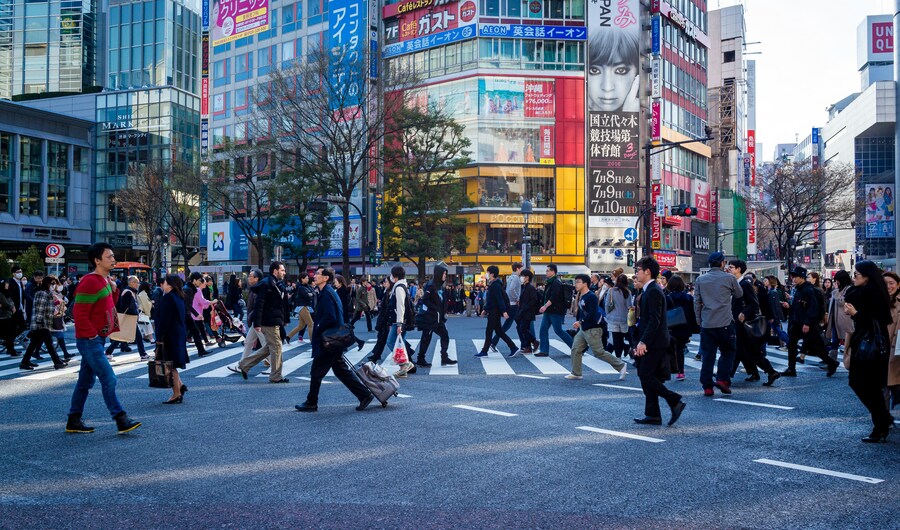
For example, I recently wanted to know what the best things to do in Tokyo were. So I just typed that exact question into Google, found some appealing options, and saved places in Google Maps with “want to go” flags for later.
(In some cases, there’s not a lot of information online. That’s when you know you’ve found a true adventure, someplace there will not be that many other tourists. I love this kind of trip too, but you may have to make peace with the fact that you will be doing a lot of recon on the ground. This is the point at which I encourage you to ask yourself what your tolerance is for uncertainty and whether or not that’s what you desire out of your trip.)
5. Downloading offline maps
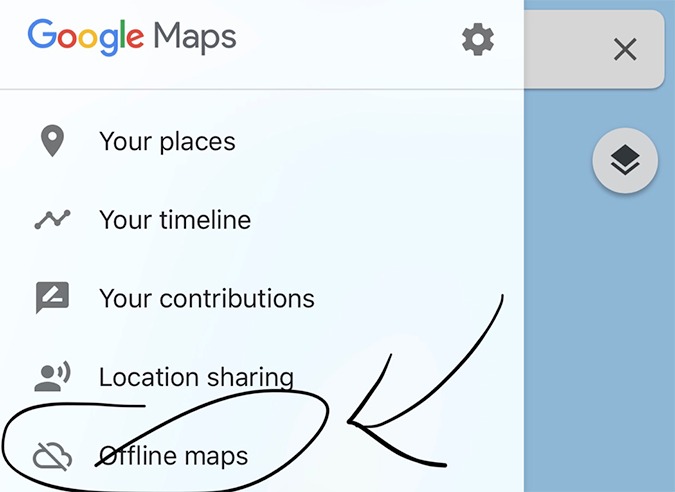
Now that I have put markers into Google Maps for the places I want to go, I make sure that I can access these without an Internet connection, just in case. I usually save Google maps offline; if I’m going to be hiking, I really like maps.me offline maps as well. It’s great to have both downloaded while you are still at home and have a strong internet connection, so that you know they’ll be accessible when you arrive.
6. Booking the hotel
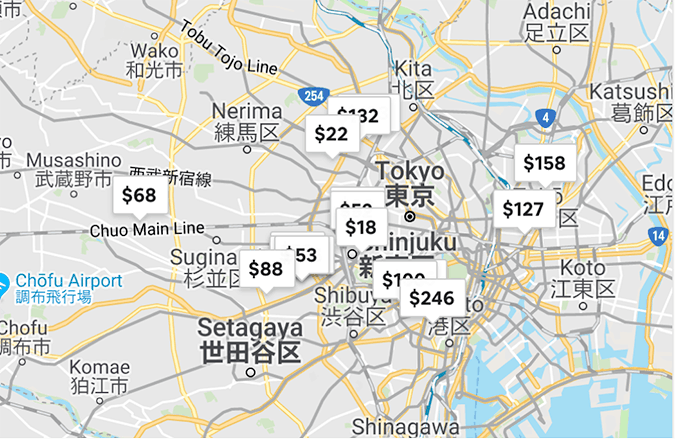
When it comes to accommodation, I almost always use either booking.com or Airbnb. I type in my destination and then I go directly to the map function. Which place has the best reviews at the best price and is going to be closest to the things I’m interested in seeing or doing? Or if I know I will be there only for a short while and will fly or take the train thereafter, which lodging is going to be the most convenient to catch that flight or train?
Generally, hostels will be more social than hotels, followed by Airbnb, unless you stay with a host who wants to show you around, which I wouldn’t count on. That said, you can look to couchsurfing if you want to be able to hang with your host – just read the reviews thoroughly first and be in full communication to make sure it’s a comfortable situation.
It also depends what part of the world you’re in. Bed-and-breakfasts might be quite social in South America, but a lot less so in Europe. I almost always read reviews to help me make my final decision.
I also don’t pressure myself to book a place for my entire stay. I want to be able to change my mind. Unless it’s high season (you can Google this too, but generally high season is when the weather is best) or there’s a holiday that I know is going to make it hard for me to move, I will just book a few days and then decide to move on or stay.
7. Research the best way to get to the hotel
Next I weigh my transportation options. Does the country I’m going to have Uber? Is it better to take the train? Is there an airport hotel shuttle, or bus from the airport to my hotel? In many cases, the hotel will provide this information in their correspondence with you or on their website. If it’s not listed, feel free to contact them and ask.
I also find TripAdvisor, Lonely Planet Thorntree, and Nomadic Matt’s forums are helpful because people are always asking this exact same question.
8. Research scams and dangers
Regrettably, in many nations, airports are the hub of tourist fraud. Bali, Indonesia’s Denpasar airport ranks among the worst. You would need to be aware that the SIM card they are selling is roughly ten times more expensive than it would be once you leave the airport in order to avoid being conned. Additionally, you should be aware that they apply the same rule to taxi fares. Generally speaking, find out the names of trustworthy businesses before you leave, never board an unmarked taxi, and always be aware of the cost of your ride before boarding. Google will assist you with all of this.) Additionally, you should be aware that if you meet the car at the departures level and disregard anyone who attempts to tell you that Uber “is not allowed” there, you may book an Uber for significantly less money.
Because I have previously done my homework, I simply walk through the chaos when I arrive in Bali.
I look up the name of the airport and the word “scam” on Google to find out what other travelers have gone through, so I know to be ready when I arrive. When traveling to a new nation, this relieves a great deal of anxiety.
9. SIM cards
I also look into the best company, how much a SIM card should cost, and whether or not the airport is a decent area to acquire one. Once more, Google and online discussion boards are typically quite useful for this information.
In order to obtain local SIMs, I always travel with an unlocked phone. They are the most affordable way to stay connected—sometimes only a few dollars per gigabyte—and they make it easier for me to go to the hotel by enabling me to order an Uber right away. In most cases, it makes sense to get a SIM card at the airport if you can, but occasionally, like in the case of Bali described earlier, it is preferable to wait until you are in the city. You will already know if you do some study beforehand.
It is important to note that dependable airport Wi-Fi is unreliable. Therefore, try to avoid delaying your investigation for a cab or SIM card until after you have landed, since it might be too late.